

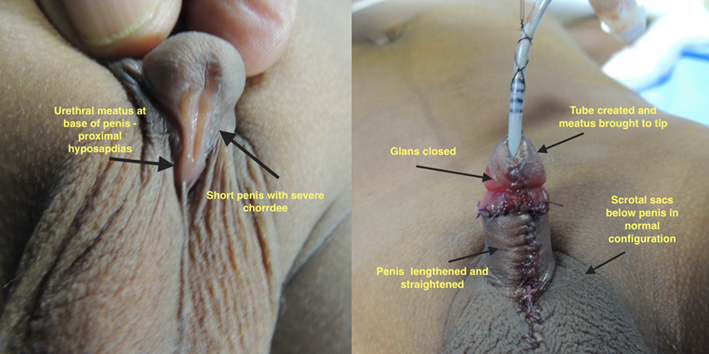
Hypospadias repair is a surgical procedure performed to correct a birth defect in boys where the urethral opening is located on the underside of the penis instead of at the tip. The surgery restores normal appearance and function by repositioning the opening and straightening the penis if needed. Early correction helps ensure normal urination and future sexual function.
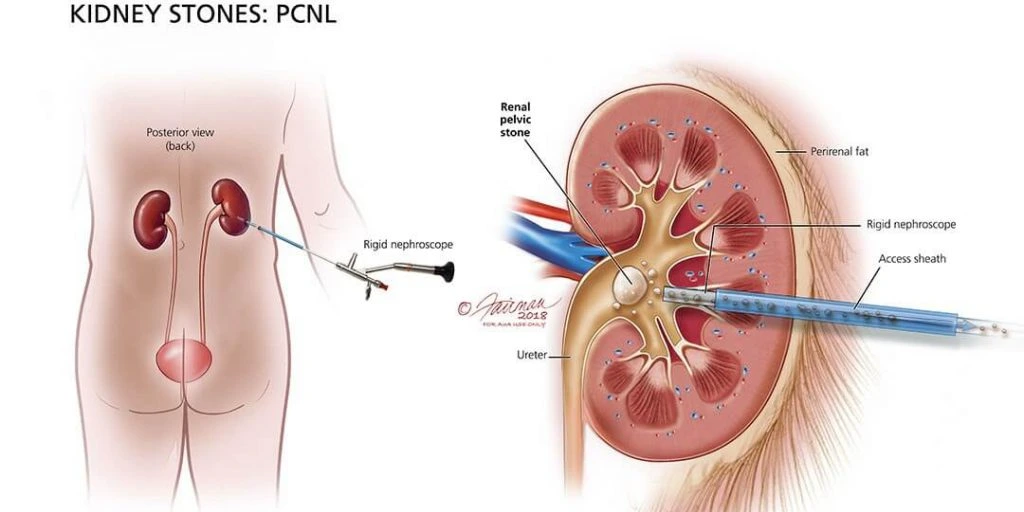
PCNL is a minimally invasive surgical procedure used to remove large or complex kidney stones that cannot be treated with other methods. A small incision is made in the back to access the kidney directly, and the stone is broken and removed using special instruments. PCNL offers high success rates, less pain, and faster recovery compared to open surgery.
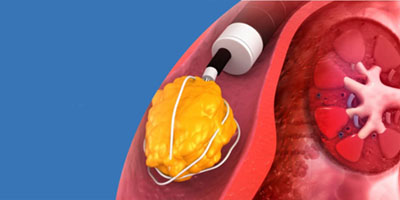
RIRS (Retrograde Intrarenal Surgery) is a minimally invasive procedure to treat kidney stones. A flexible scope is passed through the urethra into the kidney, where a laser breaks the stones into tiny pieces. RIRS offers a safe, scarless option with quick recovery, minimal pain, and excellent stone clearance.
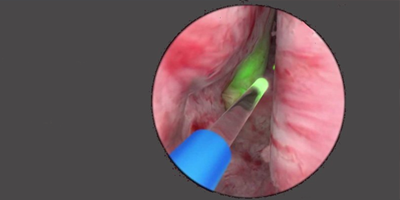
HoLEP (Holmium Laser Enucleation of the Prostate) is an advanced, minimally invasive surgery to treat enlarged prostate (BPH). Using a laser, excess prostate tissue is precisely removed, relieving urinary symptoms. HoLEP offers excellent long-term results, quick recovery, minimal bleeding, and is effective even for large prostates.
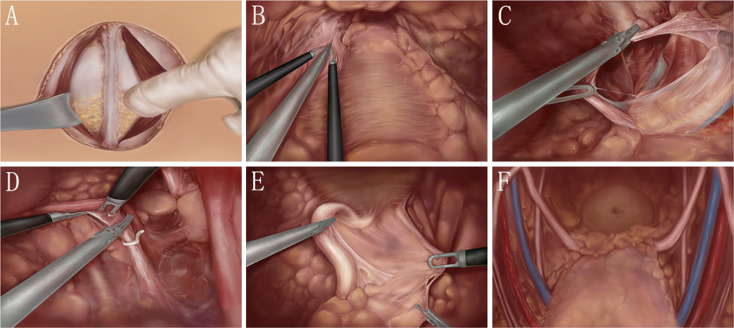
Laparoscopic Radical Cystectomy is a minimally invasive surgery used to treat muscle-invasive or high-grade bladder cancer. The procedure involves the complete removal of the bladder along with nearby lymph nodes through small incisions using a camera and specialized instruments. This approach offers reduced pain, less blood loss, faster recovery, and effective cancer control while allowing for urinary reconstruction options like a neobladder or urostomy.
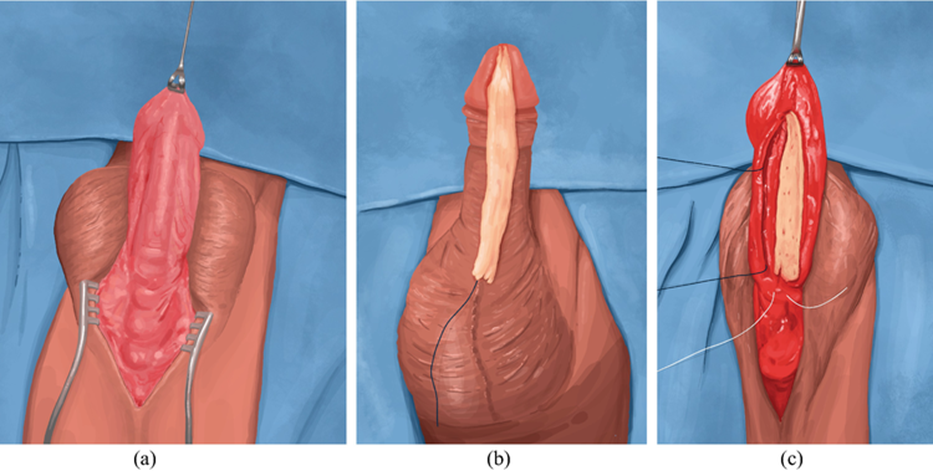
Urethroplasty is a surgical procedure used to treat urethral strictures—narrowing of the urethra that affects normal urine flow. The surgery involves removing or reconstructing the narrowed section to restore normal urination. It is a highly effective, long-term solution with a high success rate, offering relief from symptoms like weak urine stream, straining, or incomplete bladder emptying.
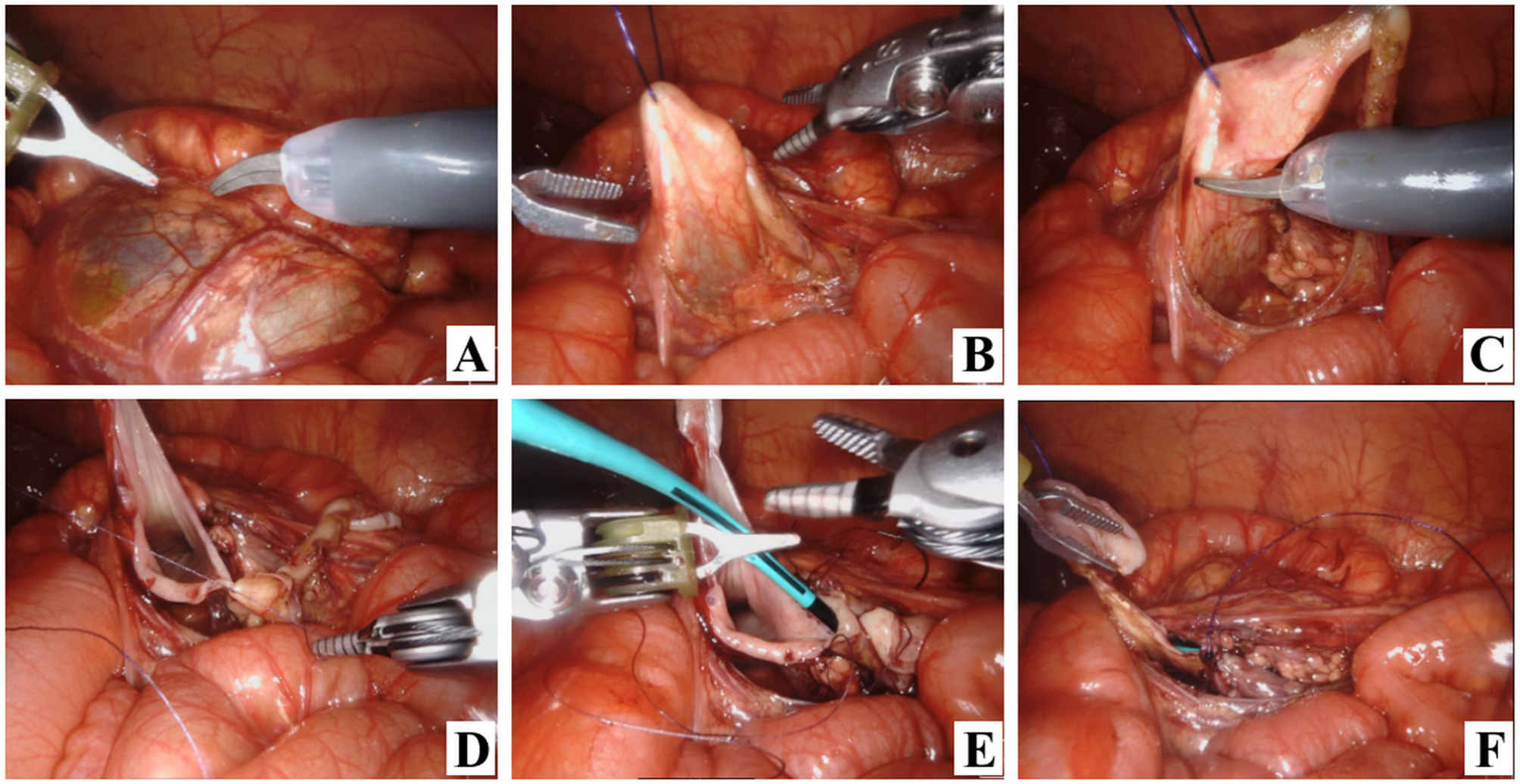
Laparoscopic Pyeloplasty is a minimally invasive surgery used to correct a blockage or narrowing at the junction where the kidney meets the ureter (ureteropelvic junction obstruction). Through small keyhole incisions, the surgeon removes the obstruction and reconstructs the drainage pathway. This procedure helps restore normal urine flow, relieve pain, and prevent kidney damage, with faster recovery and less scarring than open surgery.
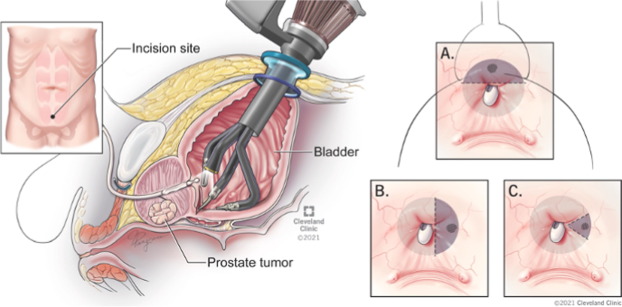
Laparoscopic Radical Prostatectomy is a minimally invasive surgery used to treat localized prostate cancer. The procedure involves removing the entire prostate gland and surrounding tissues through small incisions using a camera and specialized instruments. This approach offers excellent cancer control with benefits such as reduced blood loss, less pain, quicker recovery, and improved precision in preserving urinary and sexual function.
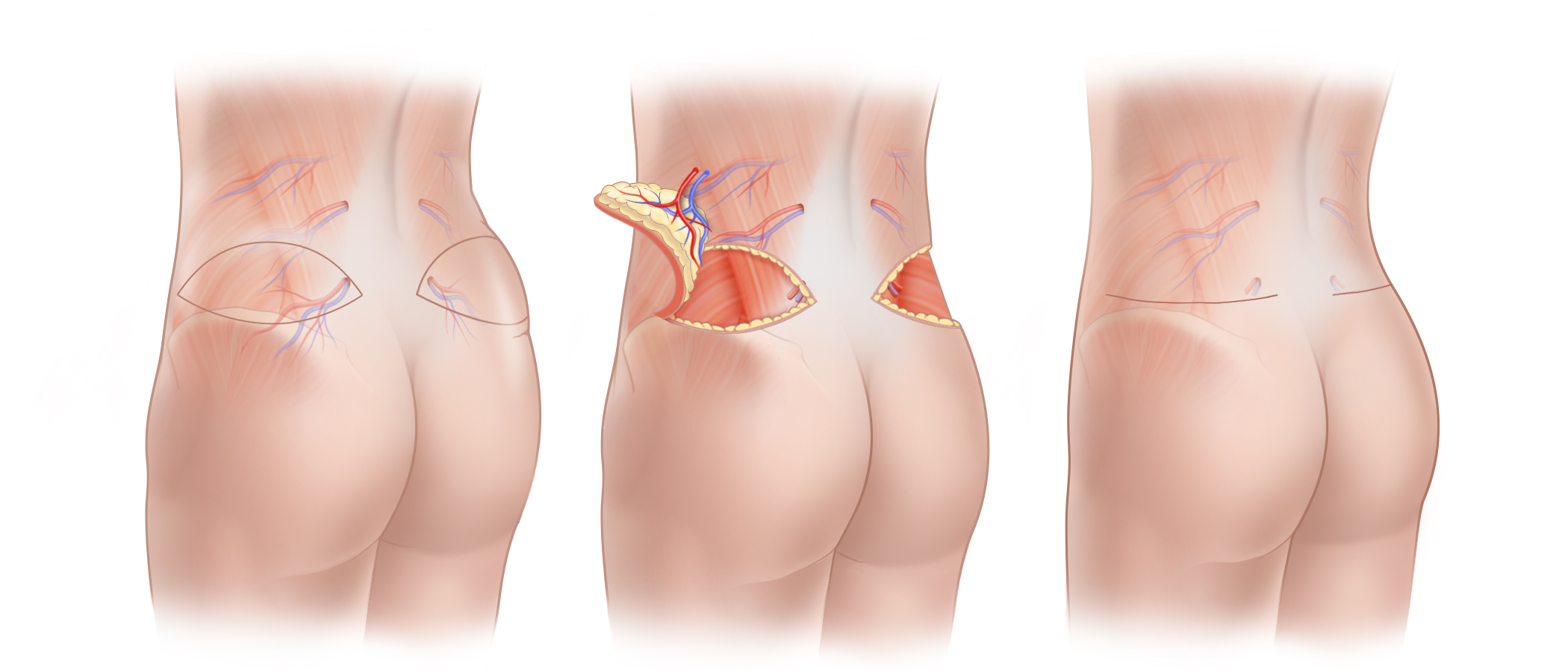
Lap Reconstructive Surgery in urology uses minimally invasive techniques to repair urinary tract abnormalities, such as strictures or congenital defects. By operating through small incisions with a camera and fine instruments, it offers precise correction with less pain, faster recovery, minimal scarring, and excellent long-term outcomes for patients.
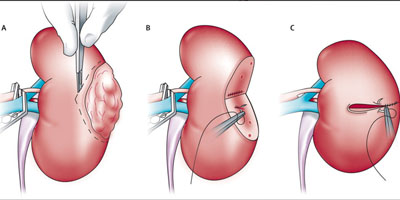
Laparoscopic Partial Nephrectomy is a minimally invasive surgery to remove a kidney tumor while preserving the healthy part of the kidney. It is commonly used for small or early-stage kidney cancers. This approach offers effective cancer treatment with less pain, minimal scarring, faster recovery, and better long-term kidney function compared to full kidney removal.
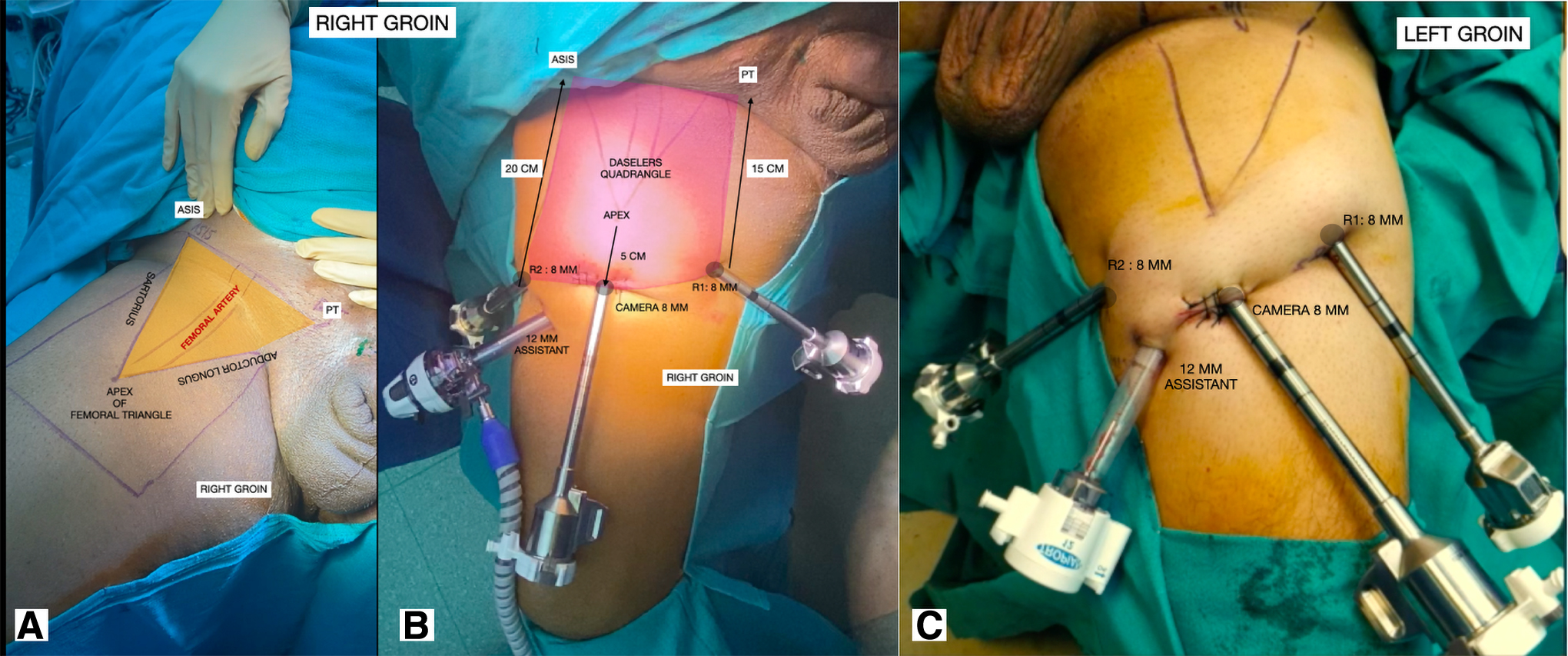
VEIL (Video Endoscopic Inguinal Lymphadenectomy) is a minimally invasive procedure used to remove lymph nodes in the groin area for patients with penile cancer. Unlike traditional open surgery, VEIL uses small incisions and a camera-guided approach to reduce complications, minimize scarring, and speed up recovery, while effectively managing cancer spread and maintaining oncological safety.
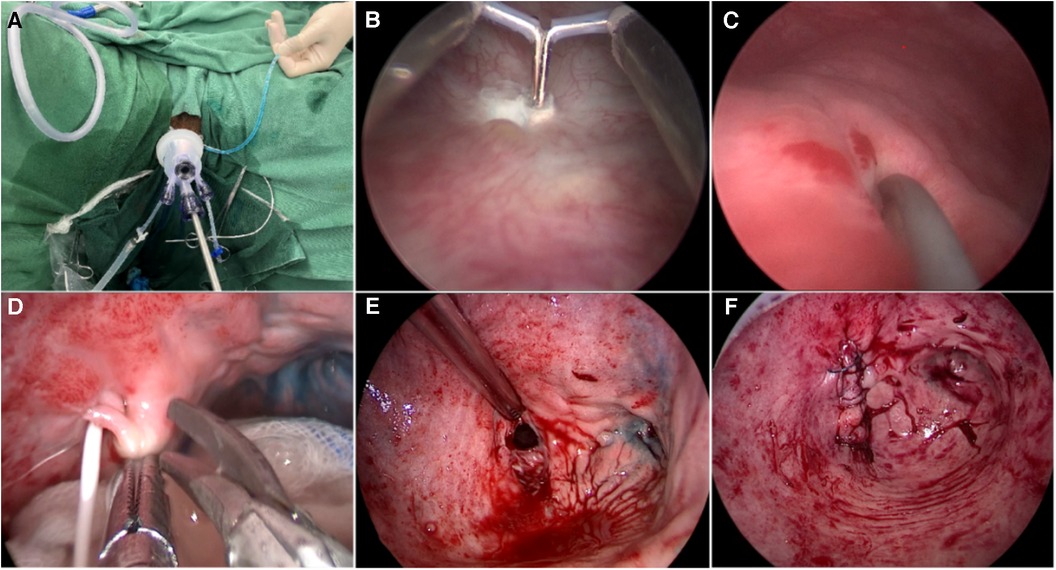
Laparoscopic VVF Repair is a minimally invasive surgical procedure used to treat a vesicovaginal fistula—a connection between the bladder and vagina that causes continuous urinary leakage. Through small keyhole incisions, the fistula is carefully closed using advanced laparoscopic techniques. This approach offers excellent success rates with less pain, minimal scarring, and quicker recovery compared to open surgery.

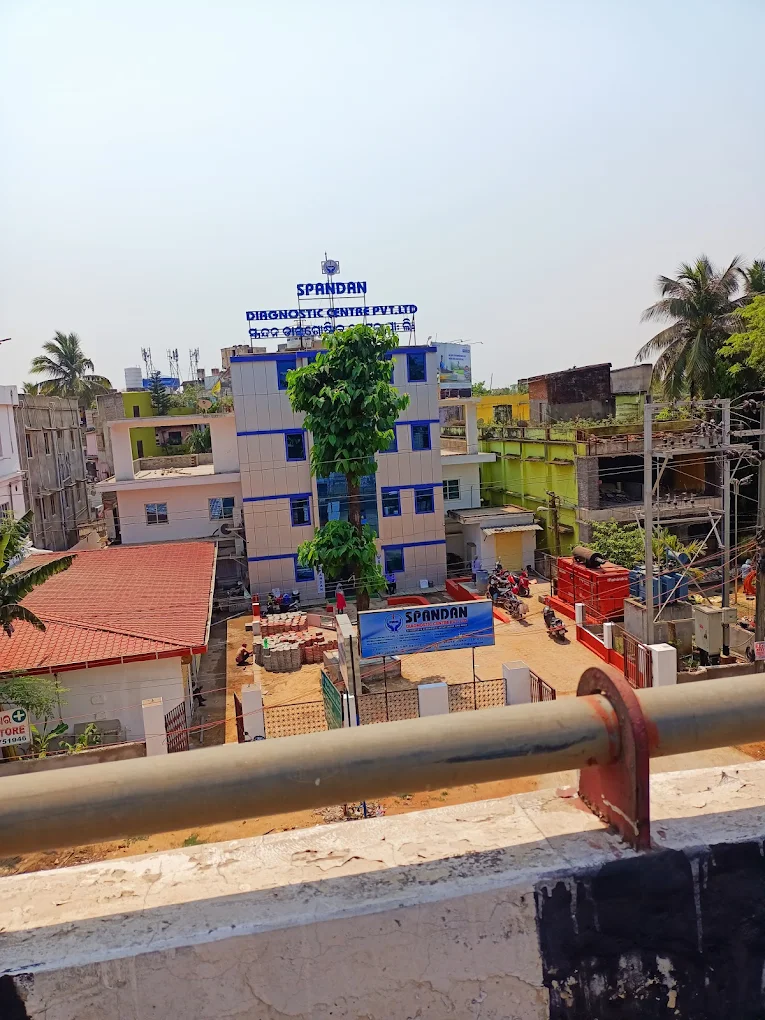
RIRS (Retrograde Intrarenal Surgery) is a minimally invasive procedure to treat kidney stones. A flexible scope is passed through the urethra into the kidney, where a laser breaks the stones into tiny pieces. RIRS offers a safe, scarless option with quick recovery, minimal pain, and excellent stone clearance.
HoLEP (Holmium Laser Enucleation of the Prostate) is an advanced, minimally invasive surgery to treat enlarged prostate (BPH). Using a laser, excess prostate tissue is precisely removed, relieving urinary symptoms. HoLEP offers excellent long-term results, quick recovery, minimal bleeding, and is effective even for large prostates.
PCNL is a minimally invasive surgical procedure used to remove large or complex kidney stones that cannot be treated with other methods. A small incision is made in the back to access the kidney directly, and the stone is broken and removed using special instruments. PCNL offers high success rates, less pain, and faster recovery compared to open surgery.
Hypospadias repair is a surgical procedure performed to correct a birth defect in boys where the urethral opening is located on the underside of the penis instead of at the tip. The surgery restores normal appearance and function by repositioning the opening and straightening the penis if needed. Early correction helps ensure normal urination and future sexual function.
Laparoscopic Radical Cystectomy is a minimally invasive surgery used to treat muscle-invasive or high-grade bladder cancer. The procedure involves the complete removal of the bladder along with nearby lymph nodes through small incisions using a camera and specialized instruments. This approach offers reduced pain, less blood loss, faster recovery, and effective cancer control while allowing for urinary reconstruction options like a neobladder or urostomy.
Urethroplasty is a surgical procedure used to treat urethral strictures—narrowing of the urethra that affects normal urine flow. The surgery involves removing or reconstructing the narrowed section to restore normal urination. It is a highly effective, long-term solution with a high success rate, offering relief from symptoms like weak urine stream, straining, or incomplete bladder emptying.
Laparoscopic Pyeloplasty is a minimally invasive surgery used to correct a blockage or narrowing at the junction where the kidney meets the ureter (ureteropelvic junction obstruction). Through small keyhole incisions, the surgeon removes the obstruction and reconstructs the drainage pathway. This procedure helps restore normal urine flow, relieve pain, and prevent kidney damage, with faster recovery and less scarring than open surgery.
Laparoscopic Radical Prostatectomy is a minimally invasive surgery used to treat localized prostate cancer. The procedure involves removing the entire prostate gland and surrounding tissues through small incisions using a camera and specialized instruments. This approach offers excellent cancer control with benefits such as reduced blood loss, less pain, quicker recovery, and improved precision in preserving urinary and sexual function.
Lap Reconstructive Surgery in urology uses minimally invasive techniques to repair urinary tract abnormalities, such as strictures or congenital defects. By operating through small incisions with a camera and fine instruments, it offers precise correction with less pain, faster recovery, minimal scarring, and excellent long-term outcomes for patients.
Kidney cancer can be treated with a laparoscopic partial nephrectomy, a minimally invasive surgery that removes only the tumor while preserving healthy kidney tissue. This approach offers precise cancer control with faster recovery, less pain, and minimal scarring, helping maintain kidney function and improve long-term outcomes for patients.
VEIL (Video Endoscopic Inguinal Lymphadenectomy) is a minimally invasive procedure used to remove lymph nodes in the groin area for patients with penile cancer. Unlike traditional open surgery, VEIL uses small incisions and a camera-guided approach to reduce complications, minimize scarring, and speed up recovery, while effectively managing cancer spread and maintaining oncological safety.
Laparoscopic VVF Repair is a minimally invasive surgical procedure used to treat a vesicovaginal fistula—a connection between the bladder and vagina that causes continuous urinary leakage. Through small keyhole incisions, the fistula is carefully closed using advanced laparoscopic techniques. This approach offers excellent success rates with less pain, minimal scarring, and quicker recovery compared to open surgery.